r/Avax Review
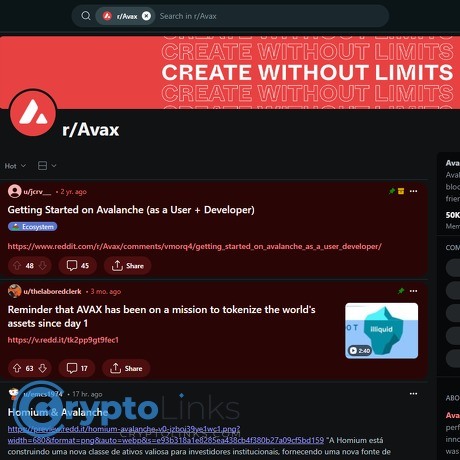
r/Avax
www.reddit.com
r/Avax Review Guide – How to Use the Top Avalanche Reddit Community (And Avoid the Traps)
Have you ever opened r/Avax, scrolled for 30 seconds, and thought:
“Okay, I see memes, conspiracy-level TA, and ‘AVAX to $1,000’ comments… but where’s the actual useful stuff?”
If that sounds familiar, you’re not alone.
Reddit can be one of the best places to feel the real heartbeat of a crypto community. But if you’re trying to understand Avalanche, figure out where AVAX might go by 2025, or build a serious long‑term position, r/Avax can feel like walking into a noisy bar when what you really wanted was a quiet research lab.
In this guide, I’ll walk you through how to actually use r/Avax without letting it wreck your decision-making. Here, we’ll talk about the core problems with relying on Reddit alone for AVAX research, how your emotions get yanked around by daily posts, and why questions like “How high can AVAX go?” rarely get clear, structured answers in the comments.
Let’s start with the uncomfortable truth.
The problems with using Reddit alone for AVAX research
Most people come to r/Avax looking for clarity. Instead, they get a content firehose.
On a typical day you might see:
- A serious dev update about a new subnet rollout
- Five “Is AVAX dead?” posts because the price dropped 7%
- Ten charts with random lines and “AVAX to $200 easy” captions
- Someone asking “What will AVAX be worth in 5 years?” and getting 40 conflicting replies
- Three memes about people not buying the bottom
All of that in the same feed.
Newcomers understandably get overwhelmed. You have real information mixed with pure noise, genuine questions mixed with trolling, and emotional price takes posing as “analysis.” If you’re trying to build a thesis around Avalanche – whether you’re a holder, trader, or builder – it’s very easy to:
- Overreact to short‑term price moves
- Blindly trust a confident comment with zero sources
- Confuse community hype with actual fundamentals
This isn’t just a “Reddit problem.” It’s how our brains work.
Behavioral finance research has shown again and again that humans are bad at handling constant, emotionally charged information. One 2018 study in the Journal of Behavioral Finance, for example, found that exposure to highly emotional financial news pushes investors to take more impulsive, short‑term risks and ignore their original plan. Crypto Reddit is basically that study in live action.
On r/Avax, that usually plays out like this:
- Price goes up: people post target predictions that get more extreme the higher it moves
- Price goes down: users call the project dead, forget the roadmap, and mock anyone bullish
- Sideways action: boredom kicks in and you get “When $100?” posts just to stir things up
Now add in all the accounts pushing their own bags, low‑effort TA screenshots, and outright shilling, and you can see why “researching AVAX on Reddit” easily turns into an emotional rollercoaster instead of a structured process.
The “too much noise, not enough signal” issue
Here’s the core problem: r/Avax is a single scrolling feed where everything looks roughly the same at first glance.
A deep technical post with actual benchmarks? Looks like a regular text post.
A meme predicting AVAX at $10,000 tomorrow with a rocket emoji? Also just a regular post.
A suspicious account hyping some obscure Avalanche token with zero liquidity? Again, same format.
Nothing is inherently labeled as “signal” or “noise.” You have to learn to tell the difference, and that’s not obvious when you’re just starting out.
Some examples you’ll quickly recognize in the wild:
- Legit signal: a detailed thread about a major Avalanche upgrade, with links to GitHub, an official blog post, and discussion from known devs. You’ll often see technical replies, questions, and follow-ups.
- Mid-level signal: a user summarizing an AVAX on-chain trend or TVL change with screenshots from analytics platforms. Not perfect, but at least anchored in data.
- Low signal: “AVAX finally waking up, told you guys!” with a cropped 5‑minute chart that only shows the last 2 green candles.
- Pure noise: “Who else still believes?” with an old all-time-high chart, 10 rocket emojis, and no actual reasoning.
The first kind of post can genuinely help you understand Avalanche’s long‑term value and ecosystem health. The last two are basically emotional candy. They’re fun in small doses, destructive if you treat them as information.
Without knowing how to filter, your brain treats most of this as equally important. That’s how someone who came looking for Avalanche subnet updates ends up staring at a meme thread arguing about whether AVAX hits $500 or $5 first.
And here’s the tricky part: the loudest content often gets the most upvotes. Serious posts take effort to read. “AVAX TO THE MOON” takes 2 seconds to like and move on.
Getting lost in price prediction fantasies
On r/Avax, the most common serious questions all sound very similar:
- “How high can AVAX go in 2025?”
- “What will AVAX be worth in 5 years?”
- “Is it realistic for AVAX to hit a new all‑time high next cycle?”
The problem isn’t the questions. They’re completely valid.
The problem is the answers.
Instead of thoughtful frameworks, most replies end up being pure emotion:
- “Easily $200+ next bull run, no doubt!” – no numbers, no reasoning, just vibes.
- “It’s going to zero, L1 season is over.” – again, no context, just frustration.
- “AVAX will do what SOL did, just buy and hold.” – ignores differences in supply, adoption, tokenomics, and timing.
That’s not analysis. That’s storytelling. And on Reddit, the best storyteller in a thread often wins more attention than the best researcher.
What almost never gets shared in those threads is that there are more structured AVAX projections out there – not guarantees, just attempts to put some numbers around possible futures.
For example:
- Some external forecasts suggest that, based on past cycles and current fundamentals, AVAX could land somewhere in a broad range like ~$17.7 to ~$91.1 for 2025, depending on how the market and ecosystem develop.
- Others use slower growth assumptions and long time horizons, suggesting AVAX might sit in the $19–$30+ range over several years if the market matures and returns taper off compared to early wild bull runs.
Are these numbers “correct”? Nobody knows. Crypto is too chaotic to pretend we can forecast it that precisely.
But those kinds of ranges at least come from visible assumptions: market cap comparables, adoption scenarios, on-chain trends, historical performance of other L1s, and so on. They describe scenarios instead of throwing random targets into the void.
On r/Avax, though, you rarely see those discussed in detail. Instead of:
“Okay, if AVAX hits the upper part of that range, what kind of TVL and subnet adoption would we need?”
You see:
“$90 is bearish, AVAX is going way higher.”
Or:
“Lol it won’t even reach the low end of that.”
It becomes a shouting match between hopium and doom, and anyone looking for a nuanced, data‑backed conversation has to dig through dozens of comments just to find one or two people trying to be realistic.
Promise: how this guide will help you actually use r/Avax
So if Reddit is this noisy, why bother at all?
Because when you use it right, r/Avax is actually a powerful piece of your Avalanche toolkit. The trick is to stop treating the subreddit as a magic 8‑ball for the AVAX price and start treating it as:
- A sentiment radar
- A Q&A hub for real users and builders
- A discovery engine for new projects and updates
In the rest of this guide, I’ll walk you through how to:
- Understand how r/Avax is structured so you know which posts and threads actually matter for your goals
- Filter hype from useful information and spot higher‑quality posters and comments
- Connect what you see on r/Avax with external research so you’re not making decisions based on one fiery thread
- Build realistic AVAX expectations for 2025 and beyond, using Reddit as one input instead of your only input
The goal isn’t to turn you into a Reddit cynic. It’s to help you use r/Avax like a smart friend: great for opinions, ideas, and leads, but never the only voice you listen to when real money is involved.
Who this r/Avax guide is for
Different people come to r/Avax for very different reasons, and how you should use the subreddit depends a lot on which camp you’re in.
As you keep reading, try to place yourself in one (or more) of these groups:
New AVAX holders trying to learn the ecosystem
Maybe you bought your first AVAX on a centralized exchange and now you’re wondering what’s next. You’re asking questions like:
- “What exactly is a subnet?”
- “Which wallets are safe?”
- “What are people actually building on Avalanche?”
For you, r/Avax can be a shortcut to real user experiences – what’s intuitive, what’s broken, and which dApps people actually use, not just talk about on Twitter.
Traders watching short‑term moves and sentiment
You open TradingView and Reddit in the same tab set. You care about:
- Daily or weekly price action
- Funding rate shifts, liquidations, and sentiment spikes
- Whether retail is euphoric, fearful, or asleep
For you, r/Avax is a sentiment feed. The trick is learning when the crowd is early… and when it’s dangerously late.
Long‑term investors asking 2025 and 5‑year AVAX questions
You’re not day‑trading AVAX. You care more about:
- “Where could AVAX realistically be in 2025?”
- “What might AVAX be worth in 5 years if Avalanche keeps building?”
- “Is this chain gaining real adoption or just hype?”
For you, r/Avax can highlight early signals: dev activity, new subnets, real‑world use cases, and whether users are actually happy with the experience. It’s a great way to test if the long‑term narratives you read in research reports show up in real user behavior.
Builders and NFT/GameFi users exploring Avalanche dApps
You might be:
- Launching or testing a dApp on Avalanche
- Playing with NFT marketplaces or GameFi projects
- Running validators or staking with real capital
For you, r/Avax is the community lab. You can see how other builders are solving issues, what users complain about, and how the ecosystem reacts to new launches or upgrades. It’s also where bugs, exploits, and UX issues often surface first.
Each of these groups has different “must‑see” content on r/Avax and different stuff they can safely ignore. The magic happens when you stop treating the subreddit like a giant wall of random posts and start viewing it as a map you can navigate based on your goals.
So, how do you actually do that in practice – where do you click, what do you sort, and how do you avoid wasting an hour on low‑value threads?
That’s exactly what we’re going to look at next, when we break down what r/Avax actually is (and what it’s definitely not) so you can use it without getting lost in the noise.
What r/Avax Actually Is (And What It’s Not)
If you hang around crypto long enough, you’ll notice something funny: people talk about r/Avax like it’s a mix of Bloomberg, a trading terminal, and a psychic hotline.
It’s none of those.
r/Avax is exactly what Reddit is best at: a messy, fast-moving community hub where Avalanche holders, traders, skeptics, builders, and straight-up memers collide in one place.
On any given day you’ll see:
- Someone sharing a legit Avalanche upgrade or subnet launch
- Another person yelling that AVAX is “going to the moon” because of a green candle
- A new user asking how to bridge from an exchange without getting wrecked by fees
- Memes about AVAX vs other L1s that are actually… pretty accurate sometimes
That mix is exactly why it’s useful – and exactly why people get confused.
If you expect r/Avax to tell you “AVAX will be exactly $X by 2025,” you’ll be disappointed and probably misled. But if you treat it as a real-time social radar for the Avalanche ecosystem, it suddenly becomes one of the most valuable tabs you can keep open.
“The market is a voting machine in the short run and a weighing machine in the long run.” – Benjamin Graham
Reddit is where you see the voting machine in action. Your job is to use it without becoming one more panicked voter.
Quick Tour of the Subreddit Layout
If you’re new to r/Avax, the layout can feel like a casino floor – lights everywhere, sounds everywhere, and you’re not sure where the real game is.
Here’s how I look at it when I open the subreddit.
Post Sorting: Hot / New / Top
At the top of the subreddit, you’ll see sorting options:
- Hot – What’s getting attention right now. Great for catching trending news or drama, bad if you’re trying to think clearly.
- New – Raw, unfiltered feed. This is where posts first appear. You’ll see everything from smart threads to low-effort shills before the community votes them up or down.
- Top – The most upvoted posts over a chosen time frame (Today, This Week, This Month, This Year, All Time).
If I’m actually researching, I almost always switch to:
- Top → This Week to catch important updates, strong explanations, or big community debates
- Top → This Month when I want a higher-level view of what mattered recently in the Avalanche world
Think of it like this:
- Hot = emotional pulse
- New = noise + some hidden gems
- Top = curated by the community (not perfect, but way better signal)
The Sidebar: Rules and “Where Not to Get Banned”
On desktop, look to the right-hand side. On mobile, you might need to tap into the community info. The sidebar usually contains:
- Subreddit rules – What gets deleted, what gets you banned, what’s allowed (price talk, memes, external links, etc.)
- Important links – Sometimes links to the official Avalanche site, docs, explorer, staking pages, or socials
- FAQ or common threads – Recurring posts like “daily discussion,” “help threads,” or resource lists (if the mods maintain them)
It takes 20–30 seconds to scan the rules, and it saves you from having posts removed or, even worse, falling for stuff the mods explicitly warn about (phishing links, fake giveaways, and so on).
Post Flairs: Quick Labels for Content Type
r/Avax often uses flairs – colored tags next to each post title that tell you what kind of content you’re about to open. The exact set can change over time as mods adjust things, but common ones include:
- Price / Chart / TA – Short-term price talk, technical analysis, “Is this the bottom?” type posts
- News – Announcements, integrations, listings, major ecosystem developments
- Dev / Technical – Validator issues, subnet questions, code-related things, performance discussions
- Support / Question – Wallet help, bridging, staking, “Why is my tx pending?”
- Meme – Obvious… but surprisingly useful for reading sentiment
Once you start respecting the flairs, you stop wasting time.
For example, if I’m in research mode:
- I skip memes unless I want sentiment
- I prioritize News and Dev flairs
- If I want to understand how confused newcomers are, I skim the Support/Question posts – they say a lot about how user-friendly Avalanche really is
It feels basic, but this is how you turn r/Avax from “chaos” into something closer to a dashboard.
What People Actually Talk About on r/Avax
Most subreddits have unspoken “content buckets” – categories that repeat over and over. Once you recognize them, you can scan the front page in seconds and instantly know what’s worth your attention.
Here’s what usually shows up on r/Avax:
1. Price Action and Market Sentiment
This is the loudest category. You’ll see:
- Screenshots of AVAX charts with arrows pointing to the sky or the floor
- “We’re so back” and “It’s over” posts within a 48-hour window
- Short questions like “Is AVAX dead?” after a correction
These posts are driven by emotion, but that’s exactly why they’re useful: they show you how the crowd feels. When everyone is euphoric or everyone is hopeless, that’s a signal in itself (just not the kind Reddit thinks it is).
2. Ecosystem News and Updates
This is where r/Avax really starts to earn its keep:
- Announcements about new DeFi protocols launching on Avalanche
- Subnets going live with gaming, institutional, or enterprise use cases
- Integrations with wallets, exchanges, or cross-chain bridges
In some cases, you’ll see news here hours before mainstream crypto media picks it up. Academic work on crypto markets keeps showing the same pattern: information spreads through social channels first, then gets priced in. Reddit is often one of those early channels.
So when you see a flurry of “X protocol just launched on Avalanche” posts and active discussion around it, that’s your signal to take a deeper look using external tools later.
3. Technical Talk: Validators, Staking, and Builders
Not the noisiest category, but one of the most important.
You’ll see threads from:
- People running validators sharing uptime, issues, and performance numbers
- Builders asking for feedback on Avalanche tooling or deployment
- Users talking about staking rewards, lock-ups, and best practices
This is the content that hints at whether Avalanche actually works well under real use. If you see recurring posts about issues with finality, stuck transactions, or validator problems – that’s a red flag. If the tone is mostly “works well, here’s how to optimize it,” that’s a quiet but powerful green flag.
4. “Noob” Questions and Support Threads
These are not noise. They’re almost like customer support tickets for the Avalanche ecosystem:
- “How do I bridge AVAX from exchange X to my wallet?”
- “Why are my fees higher than last month?”
- “Which wallet should I use for staking?”
When lots of people ask the same thing, it tells you where Avalanche is confusing, where the UX is rough, and where there’s opportunity for better tools or guides.
If Avalanche ever wants to attract a new wave of users, those “noob questions” need to get easier over time. r/Avax gives you a front-row seat to watch whether that’s actually happening.
5. Memes and Community Culture
Memes might feel like noise, but they’re actually a sentiment index with jokes.
- When the subreddit is flooded with “we’re all gonna make it” memes, people are confident (or overconfident).
- When the memes turn self-deprecating and dark, people are nervous, hurt, or exhausted.
There’s even data behind this idea. Studies on financial Twitter and Reddit have shown that mood and language patterns in posts can correlate with market moves and volatility. You don’t need a PhD to sense it – after a while, you’ll feel when sentiment swings just by glancing at the front page for 30 seconds.
Understanding which “bucket” a post belongs to lets you decide fast: Is this something to research, something to ignore, or something that simply tells me how people feel?
What r/Avax Is NOT: No Crystal Ball, No Official Voice, No Free Alpha
This is where many people get hurt: they treat r/Avax like a source of instructions, not a source of perspectives.
A few hard truths you need to keep in mind every time you open it:
- It’s not an official Avalanche channel. You might see devs or people from the Avalanche ecosystem, but the subreddit itself is not run by the Avalanche team.
- It’s not financial advice. It’s strangers on the internet talking about money – arguably the most dangerous content on earth if you don’t bring your own judgment.
- It’s anonymous. That’s both a strength and a weakness. People can be honest and blunt, but they can also shill, mislead, or flat-out lie without consequences.
Here’s a pattern I’ve seen too many times:
- A shiny low-cap token on Avalanche launches
- New accounts start posting “this is the next 100x, don’t miss it” on r/Avax
- They share perfectly timed screenshots, hype, and sometimes fake partnerships
- The token pumps for a short time… then quietly bleeds out while the shillers vanish
None of this is unique to Avalanche. It’s just what happens when money, anonymity, and FOMO meet in one place.
The healthy way to use r/Avax is to treat every single post as a starting point, not a finish line. If something sounds amazing or terrible, that’s your cue to check:
- Price data on a neutral charting site
- Real on-chain activity and volume
- Official announcements from Avalanche or the project itself
In other words: let r/Avax tell you what to research, not what to do.
Why r/Avax Still Matters in 2025 and Beyond
So with all the noise, why bother at all? Why not just stick to price aggregators, on-chain dashboards, and official docs?
Because those tools tell you what is happening. r/Avax gives you a feel for how people are reacting and what they’re actually experiencing.
1. Fast, Unfiltered Sentiment Around Big Events
When something big happens – a hack, a major partnership, a new subnet, a big token unlock – r/Avax usually lights up almost instantly.
You’ll get:
- Raw reactions: panic, excitement, skepticism
- Early info: links, threads, and translations of what the news actually means
- Conflicting takes that force you to think, not just react
In volatile markets, that speed matters. Even academic research on crypto has shown that social chatter can lead price moves, not just follow them. You don’t need to front-run the market, but you do want to know when the crowd is suddenly paying attention to Avalanche.
2. Organic Feedback From Real Avalanche Users
Charts can tell you transaction counts and TVL. They can’t tell you:
- Which dApps are smooth vs frustrating
- Which wallets people actually trust
- How painful it feels when gas spikes for a few hours
But r/Avax can.
When you read a thread where 20 different users discuss their experiences with a specific DEX or game on Avalanche, you’re looking at live product feedback. That’s not only useful for traders and investors, it’s critical for builders trying to find gaps in the ecosystem.
3. A Place to Ask the Questions Google Can’t Answer Well
There are things search engines still aren’t good at:
- “Is this bridge trusted by the Avalanche community?”
- “For a validator, what’s your real-world uptime and hassle level?”
- “Is this new subnet actually being used or just marketing?”
These questions need context, nuance, and people who’ve actually tried things, broken things, lost funds, and learned from it. That’s what a subreddit is built for.
And if you’re the kind of person wondering about AVAX in 2025 or five years from now, that “human layer” matters more than you might think. Long-term outcomes are built from tiny details like “does this actually feel good to use?” and “do devs like shipping here?”
r/Avax is one of the few places where you can watch those details surface in real time.
Now, here’s where things get tricky…
You probably care about where AVAX might go – not just today, but into 2025 and beyond. The problem is that Reddit is full of price prediction threads that swing from “AVAX to $500 easy” to “we’re going to zero” with almost no middle ground.
So how do you read those posts without getting emotionally yanked around? How do you tell which 2025 or 5-year takes are at least somewhat grounded in reality?
That’s exactly what I’m going to unpack next – including how I personally sanity-check any AVAX prediction I see on r/Avax before I even think about taking it seriously.
Using r/Avax for Price Talk: 2025 and 5‑Year AVAX Expectations
If you’re on r/Avax, there’s a good chance you’ve already asked yourself something like:
“Okay, but realistically… how high can AVAX go in 2025?”
Or:
“What could AVAX be worth in 5 years if this whole Avalanche thing actually works?”
This is where most people get trapped. They open a prediction thread, see a chart with rainbow lines and comments screaming “$200+ easy” or “AVAX is dead”, and their emotions do the rest.
I want to show you how to use those same threads without getting dragged into hopium or despair.
How to Read AVAX Price Prediction Threads Without Losing Your Mind
On r/Avax, price threads usually follow a few patterns. Once you recognize them, your stress level drops by half.
Here’s what typical prediction posts look like:
- The “AVAX to $200+ easy” chart: A TradingView screenshot with diagonal lines pointing up, sometimes with Fib levels, sometimes just freehand trend lines. The comments are full of rocket emojis and “WAGMI”.
- The “it’s going to zero” rant: A short, emotional post after a red day: “Why is anyone still holding this scam?” Very few numbers, lots of feelings.
- The “what do you guys think about 2025?” question: A simple text post like “Realistically how high can AVAX go by 2025?” that turns into a battlefield of bulls vs bears.
Instead of asking “Is this right?”, ask better questions:
- Is there any actual data?
Are they using:
- On-chain metrics (transactions, active wallets, TVL)?
- Historical cycles (what AVAX did in the last bull run)?
- Comparable L1s (how Avalanche stacks up vs Solana, Ethereum, etc.)?
If it’s just “chart go up” or “I feel bullish”, treat it as entertainment, not research.
- Do they link to anything outside Reddit?
Good posts will reference:
- External research or price ranges
- Announcements or roadmap items
- Actual protocol updates
No links, no screenshots, no sources? That’s not a thesis. That’s vibes.
- Is the time frame clear?
A lot of confusion comes from people mixing:
- “End of 2025”
- “Next bull run peak”
- “5–10 year long-term bag”
If the post doesn’t clearly say when their target applies, you can’t judge it properly.
Every time you read a prediction thread, mentally apply this filter:
“What is this person actually basing their number on, and is their time frame even clear?”
That question alone will save you from a lot of emotional whiplash.
Example: 2025 AVAX Predictions and What They Actually Mean
Outside Reddit, you’ll see more structured AVAX forecasts that don’t just throw out one magic number. For example, some price models and aggregation sites suggest ranges like:
- 2025 AVAX prediction range: roughly $17.7 to $91.1
- Later-year single-point targets pushing $100+ in optimistic scenarios
These aren’t guarantees — they’re just attempts to map possible outcomes based on past cycles, volatility, and some assumptions about adoption.
Now, imagine someone posts these ranges on r/Avax. Here’s how the reactions usually split:
- The hardcore bulls: “$91? That’s bearish. Subnets + real-world assets + next bull = $200+ minimum.”
They’ll pull out macro narratives, “L1 rotation”, and sometimes just pure conviction. The upside: they remind you why people care about Avalanche. The downside: they can ignore risk completely.
- The angry bears: “Lol, AVAX won’t even hit $30 again.”
These comments often come after long drawdowns. They’re based more on pain than on data. They’re useful in one way: they show you how exhausted the market feels, which can matter for timing.
- The “quiet smart” comments:
These are the ones I pay attention to. They say things like:
- “If subnets get real adoption (gaming, institutions, enterprise), mid to high range is realistic.”
- “If activity stays flat and Avalanche is just another L1, the low end or below is more likely.”
- “Watch token unlocks, staking rates, and L2 competition — those factors will decide where in that range we land.”
This group doesn’t try to be right about the exact number. They’re thinking in scenarios.
The right way to use r/Avax here is not to pick a hero and copy their number. Instead, use the comments to test the range you’re seeing elsewhere:
- Does the community see real catalysts (like subnet deals, major DeFi growth, new use cases)?
- Are people talking about actual risks (regulation, token emissions, competition)?
- Is the discussion balanced, or is it just euphoric or just hopeless?
Think of those external ranges like $17.7–$91.1 for 2025 as a rough map. r/Avax shows you how people are emotionally positioned around that map — who’s betting on the top, who’s stuck on the bottom, and who’s trying to understand what actually moves AVAX between those two ends.
One thing I’ve noticed over years: threads with the most extreme predictions often age the worst. Threads that talk about ranges, scenarios, and conditions usually stay relevant longer.
5‑Year Views: AVAX in 2030 and Beyond
Short-term price is loud. Long-term value is quiet. That’s where 5‑year talk becomes interesting.
Some more conservative models assume slower growth and end up with AVAX sitting somewhere in the:
- High teens to $30+ zone over many years if adoption is steady but not explosive
Other hyper-bullish narratives call for AVAX to become a top‑3 chain with massive valuation, putting it far above those ranges. On r/Avax, you’ll see both extremes — often in the same thread.
Here’s how I would use the subreddit if I cared about where AVAX might be by, say, 2030:
- Follow dev and ecosystem progress as a sanity anchor
For long-term price, I’m asking:
- Are real apps actually launching on Avalanche and its subnets?
- Are there serious projects building here: DeFi, gaming, institutions, RWA?
- Do devs seem committed, or are they jumping ship?
If 5‑year targets don’t line up with what builders are doing, the numbers are fantasy.
- Watch for long-term red flags
Some examples:
- Multiple posts about dApps rugging or leaving Avalanche
- Ongoing issues with reliability, fees, or tooling that never get fixed
- Constant threads complaining that “nothing is happening here”
No prediction model will save you if the chain stops being useful in real life. r/Avax gives you that raw, ground-level view.
- Balance the narratives
Long-term holders tend to anchor on one story:
- “Avalanche becomes the chain for subnets and scales like crazy.”
- “Avalanche gets slowly outcompeted by L2s and other L1s.”
When you see someone post a 2030 price target, ask:
- Which story is this based on?
- What assumptions are they making about users, fees, and demand for block space?
- Can I see those assumptions play out in real time via r/Avax discussions?
There’s a line I like that fits here:
“In the short term, the market is a voting machine. In the long term, it’s a weighing machine.”
On r/Avax, daily sentiment is the voting machine. But when you scroll through months of posts about actual adoption, dev updates, and user experience, you get a feel for the “weighing” part — the stuff that really matters to 5‑year value.
How to Sanity‑Check Any AVAX Price Prediction You See on Reddit
Let’s make this simple. Whenever you see a prediction — $30, $90, $200, whatever — run it through a quick sanity filter.
1. Is there a clear thesis behind the number?
Ask yourself:
- Do they mention tech (subnets, throughput, unique features)?
- Do they talk about users (growth in active addresses, dApps people actually use)?
- Do they consider fees and revenue (is there a reason people will pay to use Avalanche)?
- Any mention of real use cases (gaming, DeFi, institutions, RWA) instead of just “number go up”?
If there’s no core thesis, just a number, treat it as background noise.
2. Does it make sense vs Bitcoin, Ethereum, and the wider market?
A quick reality check:
- What market cap would that AVAX price imply?
- At that cap, where would Avalanche rank among other L1s?
- Is the prediction quietly assuming Avalanche flips Ethereum… or even Bitcoin?
It’s not that big numbers are impossible — crypto has surprised us before. But if someone’s target requires AVAX to become the biggest asset in the entire space and they don’t address that, the analysis is incomplete.
3. What do the comments say — especially the thoughtful ones?
This is where r/Avax actually shines.
- Look for people challenging the assumptions politely, not trolling.
- See if anyone adds data: tokenomics, unlock schedules, TVL numbers, or comparisons to past cycles.
- Notice when a prediction gets pushback from both bulls and bears — those threads often contain the best debate.
Sometimes the real value is not the original post, but the 3–4 smart comments buried halfway down.
4. Step outside Reddit for validation
Before you let any prediction affect your portfolio, leave r/Avax for a few minutes:
- Open a price chart and look at AVAX over multiple time frames (daily, weekly, yearly).
- Check AVAX’s market cap and compare it with other major L1s.
- Look for structured outlooks or forecast ranges (like those $17.7–$91.1 style brackets for 2025, or the more modest long‑term ranges).
- Check basic metrics: TVL, active users, protocol revenue if available.
The idea isn’t to find a “correct” number. The goal is to see if the prediction sits in a world that looks remotely realistic.
Because here’s the truth: r/Avax is best for ideas and sentiment, not for final answers. Use it to:
- Feel the mood around AVAX (greedy, fearful, bored)
- Discover narratives you hadn’t considered
- Collect different scenarios for 2025 and the next 5 years
Then let charts, external research, and your own risk tolerance turn that raw material into decisions.
And this brings up a key question you should be asking yourself right now:
If the price talk is this emotional, how do you know whether the underlying Avalanche ecosystem is actually strong enough to support any of these predictions?
The good news is: r/Avax can help you answer that too — not through memes or moon posts, but through the updates, dev content, and user stories that show what’s really being built. Let’s take a look at how to find those signals next…
Digging Into Avalanche Fundamentals Through r/Avax
When I’m trying to understand whether AVAX is just another narrative coin or a chain with real staying power, I don’t start with the price chart.
I start with people actually building and using Avalanche.
That “human layer” is where r/Avax quietly becomes one of the best free tools you have. If you know how to look, the subreddit shows you:
- Which dApps are actually getting traction
- Whether subnets are more than marketing material
- If users are happy with fees, speed, and UX
- Whether devs still care enough to ship and answer questions
Let’s walk through how I do that step by step.
Finding Real Ecosystem Updates and Dev Content
The first thing I want from r/Avax isn’t “AVAX to $X”. It’s: what’s actually happening on the network?
On any given week, you’ll see posts about:
- New DeFi protocols launching or expanding to Avalanche
- Subnets going live for gaming, institutional use, or app‑specific chains
- Network upgrades that change fees, performance, or tooling
The problem is these posts are buried between memes and price rants. So I use a simple system.
1. Sort for signal, not noise
- Click “Top” → “This Week” or “This Month”
- Scan for flairs like News, Dev, Announcement, or similar
This instantly surfaces the kind of posts that actually matter if you care about fundamentals. For example, you might see a thread titled something like:
- “New subnet live: GameX mainnet launch on Avalanche”
- “Core wallet new update – better bridging and portfolio view”
- “Avalanche upgrade explained: lower fees, faster finality?”
These aren’t just feel-good headlines. They are the events that either support or contradict those bullish AVAX price ranges everyone loves to quote.
2. Use targeted keyword searches
When I want to go beyond the obvious, I go straight to the search bar and type in focused queries like:
- “subnet” – to see posts about new subnets, adoption stories, or issues
- “dev update”, “release notes”, “upgrade” – to check if the core team and ecosystem projects are still shipping
- “mainnet” – for launches, not vague “coming soon” announcements
- “testnet feedback” – to see what’s being tested before it hits mainnet
Then I read the comments like a product review section. Are users excited? Confused? Complaining? Ignoring it?
When a subnet goes live and the comment section is full of people saying things like:
- “Been playing this game for a week, txs are instant, no issues so far.”
- “Gas costs are negligible; this actually feels better than chain X.”
…that’s a very different signal from:
- “UI is broken.”
- “Bridge stuck my funds again.”
- “No volume, no players, dead on arrival.”
I’ve seen both kinds of threads on r/Avax. The subreddit isn’t shy about calling out half-baked launches.
3. Connect posts to on-chain reality
Here’s a little trick I use: when I see a big ecosystem update on r/Avax, I open an analytics site in another tab (for example, something that tracks Avalanche daily active addresses, tx counts, or subnet activity).
If a subnet launch post on r/Avax is full of people saying “this thing is blowing up”, I check:
- Is activity actually rising on that subnet or dApp?
- Are we seeing a bump in Avalanche tx volume overall?
If the numbers match the hype, that’s a real datapoint you can use when you think about 2025 or 5‑year potential. If they don’t, you know Reddit is… being Reddit.
“Narratives move fast, but fundamentals move slow. If the narrative runs ahead of what’s being built for too long, something eventually snaps.”
Using r/Avax to Evaluate Actual Adoption
Tech alone doesn’t justify a high valuation. Real usage does.
This is where r/Avax is underrated: users complain loudly when things break, and they brag loudly when something feels good. Both are incredibly useful if you’re trying to figure out whether Avalanche is just marketing or a real alternative to other L1s.
1. Look for real user stories, not vague “this chain is amazing” posts
Adoption shows up in threads like:
- “Just tried bridging from Ethereum to Avalanche, here’s what happened…”
- “NFT marketplace on Avax vs chain X – honest thoughts”
- “GameFi on Avalanche: my experience after 30 days”
In those comment sections you’ll often see specifics:
- “Fees were around $0.02 per trade, pretty smooth.”
- “Bridge took 10 minutes, no issues with stuck txs.”
- “Got rekt by a bug; support was slow, won’t use again.”
This is real-world UX feedback that no official marketing deck will give you.
2. Pay attention to fee, speed, and reliability chatter
One of Avalanche’s selling points is fast finality and low fees. If that’s true in practice, you’ll see it reflected in r/Avax discussions.
What I look for:
- Fee comments: Are people happy that tx costs are negligible, or complaining they’re creeping up?
- Speed reports: Do posts mention “instant confirmations” or “stuck for 30 minutes”?
- Outage threads: Any serious L1 will have some drama. When it happens, r/Avax fills with live feedback about what went wrong and how fast it was fixed.
In past market cycles, I’ve seen r/Avax light up during heavy load situations. Some users posted “still fast for me”, others “bridge is slow”, and devs sometimes stepped in with explanations. That’s a goldmine for understanding how the chain behaves under stress, which matters far more than pretty TPS benchmarks in a PDF.
3. Follow NFT and GameFi chatter as early warning signals
NFTs and GameFi might feel speculative, but they’re incredibly good at exposing whether a chain can handle:
- Lots of micro-transactions
- New retail users who aren’t power users
- High volatility in activity
On r/Avax, I keep an eye on threads like:
- “Which Avalanche NFT marketplaces are you using in 2025?”
- “Is any GameFi on Avax actually fun?”
If comments mention specific projects repeatedly, that’s a sign of organic traction. If every answer sounds like a low-cap “you must buy this now” pitch with zero gameplay or UX detail, that’s a warning sign.
Think of these discussions as a ground-level adoption meter. They won’t give you a price target, but they help you answer a deeper question: is anyone actually here, using this stuff day-to-day?
Getting Answers to Technical and Staking Questions
Now, let’s talk about something that matters a lot if you’re serious about Avalanche for the next few years: how to actually run with it – staking, validating, and staying safe.
r/Avax is surprisingly good for this, if you approach it right.
1. Use search before you post
Most basic questions have already been asked dozens of times. Before posting anything like:
- “How do I stake AVAX?”
- “Minimum AVAX to become a validator?”
- “Ledger + Core wallet question”
I type those exact phrases into the subreddit search.
Usually I’ll find older threads where people shared:
- Step-by-step screenshots or walkthroughs
- Expected staking yields and realistic uptime requirements
- Edge cases like “what happens if my node goes offline for X hours?”
This not only saves time, it lets me see how answers evolved across months or years – for example, whether yields changed, new tools arrived, or previous bugs got fixed.
2. Ask clearly and label your questions
When you do need to post, give yourself the best shot at good answers:
- Use a clear title like “Staking question: delegating vs running validator (2025)”
- Explain your setup: wallet, region, whether you’re using a VPS or home hardware, etc.
- Mention what you’ve already tried or read, so people don’t repeat the basics.
I’ve watched plenty of threads where this simple clarity attracted detailed responses from people who actually run validators or have been delegating AVAX for years. Those replies often include links to official docs, GitHub issues, or node monitoring tips.
3. Use the subreddit as a security sanity check
You’ll also see recurring topics around security:
- “Is it safe to use bridge X?”
- “Best practices for storing AVAX long-term?”
- “Got phished on fake airdrop, what now?”
I treat these as live case studies. The comments often explain:
- Which bridges have a better track record
- How people combine hardware wallets, browser wallets, and mobile wallets
- Common mistakes that caused losses (fake websites, wrong networks, etc.)
It’s one thing to read generic “use a hardware wallet” advice. It’s another to see real stories from r/Avax users who lost funds by skipping one small step. Those stories stick with you.
Red Flags and Green Flags in Fundamental Discussions
At some point, you’ll start to see patterns. Certain threads feel grounded and useful. Others feel like a late-night infomercial.
Learning to separate those two is one of the most valuable skills you can build on r/Avax.
Green flags: signs the discussion is worth your time
- Specifics over slogans – posts that talk about exact metrics, UX experiences, or technical details, instead of just “Avax is the future, bro”.
- Constructive criticism – threads where people openly discuss Avalanche’s weaknesses (centralization concerns, token unlocks, tooling gaps) without turning it into pure FUD.
- Dev presence – when devs, project team members, or long-known community contributors show up and answer questions in detail.
- Long comment chains on real issues – such as fee changes, validator requirements, or subnet design tradeoffs. If people argue respectfully with data, that’s an extremely good sign for the health of the ecosystem.
Honestly, some of the best posts I’ve ever seen on r/Avax were not bullish hype; they were thoughtful breakdowns of Avalanche’s challenges compared to Ethereum or other L1s, with ideas for how things could be improved.
Red flags: signs you’re being sold something
- “Next 100x Avax gem” posts with no technical details, no team background, and no real explanation of what the thing does.
- Copy-pasted marketing – the same hype paragraph across different threads, or a template-looking shill with perfect buzzwords and zero substance.
- One-way hype – any comment section where anyone asking a tough question gets insulted instead of answered.
- No links to code or docs – especially if the project claims something ambitious but you can’t find a GitHub, whitepaper, or clear documentation.
When I see those patterns, I treat it as entertainment, not information.
Over time, just hanging around r/Avax builds your internal “BS radar”. You’ll start to recognize:
- Which usernames consistently write thoughtful stuff
- Which ones show up only to hype one token and vanish
- Which discussions actually shift your understanding of Avalanche
And that’s where r/Avax quietly becomes more powerful than half the “professional” research you’ll read – because you’re not just consuming, you’re learning how to filter.
Of course, once you can spot a good fundamental thread, the next challenge is staying safe when the bad ones try to pull you in… especially when they look “urgent” and “time-sensitive”.
So here’s the real question: how do you enjoy all the benefits of r/Avax without getting caught in hype traps, scams, or awful advice?
The answer lives in the next part, where I’ll break down the exact patterns I watch for before I trust anything I see on that subreddit.
How to Use r/Avax Safely: Filtering Hype, Scams, and Bad Advice
If you hang around r/Avax long enough, you’ll notice something: the line between “alpha” and absolute nonsense can be razor thin.
One moment you’re reading a useful breakdown of a new subnet, and two scrolls later someone is screaming “LAST CHANCE 100x GEM” with a chart that suspiciously starts at the bottom and ends at the moon.
This is where people either level up their crypto game… or get wrecked.
Let’s talk about how I personally stay on the right side of that line when I’m using r/Avax – and how you can too.
“In markets, you rarely get scammed by the thing you’re already suspicious of. It’s the thing that looks almost legit that does the real damage.”
The classic patterns of shilling and manipulation
Shilling isn’t always obvious. It rarely shows up as: “Hi, I’m trying to dump my bags on you.”
On r/Avax, it usually looks a lot more subtle – and that’s exactly why it works.
Here’s what I watch for.
1. Fresh accounts pushing the same low-cap token everywhere
A very common pattern:
- Brand new or low-karma account
- First few posts are all about one obscure Avalanche token
- Comments like “Not financial advice but this will easily 50–100x, devs are killing it”
- Replies aggressively defending the token and attacking anyone skeptical
Shillers rely on a simple psychological trick: repeat a name enough times and it feels familiar, and familiar feels safe. There’s research in cognitive psychology on the “mere exposure effect” – we tend to trust what we’ve seen repeatedly, even if the source is weak.
On Reddit, that translates into: “I’ve seen this ticker five times today, maybe I really am early.”
My quick filter:
- Click the user profile
- Check post history: Is it all the same token? Same talking points? Same links?
- If yes, I mentally mark it as marketing, not “organic discovery”
Once you start doing this, you’ll be surprised how many “random” recommendations are anything but random.
2. Coordinated “this is your last chance” posts
This one shows up a lot around thinly traded Avalanche tokens or new DeFi plays.
The pattern:
- Multiple posts about the same small-cap token in a short time window
- Urgent language: “final chance”, “before it’s too late”, “you will regret not buying”
- Often posted when volume is low and price is easy to move
What’s usually happening behind the scenes: a group (Telegram/Discord) coordinates to post hype, suck in new buyers, then quietly exits as the price spikes.
There’s research on pump-and-dump schemes in crypto showing they often rely on social channels like Reddit, Telegram, and Twitter to create a short-term echo chamber. r/Avax isn’t immune to that.
When I see multiple “urgent” posts about the same tiny project, that’s not signal – that’s a red flag.
3. Fake screenshots, cherry-picked PnL, and selective charting
Another manipulation tactic is to show you how “easy” money is.
Common flavors:
- Screenshots of “$2k to $150k in 3 months” with no verifiable proof
- Charts zoomed into the last parabolic move with zero context
- “If you just bought this token in January you’d be up 40x” – ignoring that it was illiquid and unknown then
It plays on FOMO and regret: “Look what you could have had. Don’t miss the next one.”
Here’s how I keep it grounded:
- Assume every win screenshot is curated. Nobody posts the 90% drawdown.
- Reopen the chart yourself on a neutral site and zoom out to at least 6–12 months.
- Ask: could I realistically have entered and exited where they claim, with real liquidity?
If those questions make the story fall apart, it’s not “alpha”. It’s sales copy.
Avoiding scam links and DMs
Where there’s money, there are scams. And in crypto, a scary amount of them start with “helpful” comments and friendly DMs.
On r/Avax I treat every link and DM as radioactive until proven otherwise.
1. Fake airdrops and phishing links
You’ll see posts or comments like:
- “Claim free AVAX airdrop for early users, limited time”
- “New subnet airdrop for loyal holders, just connect your wallet here”
- “Exclusive bonus for r/Avax members” with a shortened URL
Nine times out of ten, those links:
- Ask you to connect your wallet and sign a malicious transaction
- Or ask for your seed phrase (never do this, anywhere, ever)
I’ve seen way too many posts from people saying, “I just lost everything after connecting to a site someone posted in the comments.” It’s heartbreaking because it’s usually avoidable.
My rule set is simple:
- Never connect a wallet from a Reddit comment link.
- Never enter a seed phrase or private key into any website. Legit sites never ask for it.
- If something claims to be “official”, I manually type the URL from the Avalanche official site or their verified Twitter/X account, not from Reddit.
2. “Support” accounts DMing you
This scam is sneaky and specifically targets people asking for help.
The flow usually goes like this:
- You post: “Having trouble bridging to Avalanche” or “My transaction is stuck, help?”
- Within minutes, you get a DM: “Hi, I’m from Avalanche support, I can help you fix this.”
- They send a website link or ask you to share sensitive info or screenshare your wallet.
Real Avalanche support is not sitting in your Reddit inbox waiting to rescue you. That’s just not how it works.
Whenever I get DMs after a technical or wallet-related comment, I assume it’s a scam first. If I need support, I:
- Go to the official project site directly (typed in, not from a comment)
- Find their official support or Discord links there
- Ask in public channels where others can call out suspicious behavior
3. Fake “official” AVAX or Avalanche channels
Scammers know people trust logos and names, so they recreate them.
You might see:
- Accounts with names like “Avalanche_Official”, “AVAXSupportTeam”, “Avalanche_Foundation”
- Posts claiming “emergency update”, “critical wallet upgrade needed”, or “new staking program”
Always assume the name and logo can be faked. The only thing that really matters is the URL and whether it’s linked from official sources.
Before I touch anything like this, I always:
- Cross-check on the official Avalanche site or their verified social profiles
- Check if multiple trusted sources are saying the same thing
- Search r/Avax for others calling it a scam – usually when something big is fake, someone will have flagged it
Healthy skepticism: how I personally filter r/Avax
Over time, I’ve built a mental firewall for Reddit in general and r/Avax specifically. It’s not perfect, but it has saved me from a lot of bad trades and a few potential scams.
Here’s how I treat almost everything I see there.
1. I assume every price post is biased
If someone is bullish, they probably hold AVAX or a related token. If someone is extremely bearish, they might be short, salty, or just chasing clout.
So when I see:
- “AVAX will definitely hit $200 this cycle”
- “AVAX is dead, sell while you can”
I don’t ask “Are they right?”
I ask: “What incentives do they have to post this, and what information are they leaving out?”
2. I look for long-term users and devs with a track record
Not all Reddit users are equal.
When I see a thoughtful comment, I click the username and check:
- How long have they been active?
- Do they participate in technical or ecosystem discussions, not just price?
- Have they been consistent over time, or do they pop up only around hype moments?
Accounts that:
- Have years of history
- Discuss validators, subnets, tooling, or actual dApp usage
- Admit when they’re unsure or wrong
…tend to be far more valuable than the loudest moonboys.
3. I cross-check big claims with external data
If a post makes a bold statement like:
- “TVL on Avalanche just doubled in a week”
- “This subnet now has more users than many L1s”
- “AVAX is highly undervalued compared to X and Y”
I don’t argue in the comments. I just open another tab and check:
- On-chain data dashboards
- TVL trackers for Avalanche
- Neutral price charts
- Official documentation or blog posts for technical claims
There have been academic and industry studies showing how social media sentiment can significantly move crypto prices, especially mid and low caps. That alone is reason enough not to trust the crowd without data.
My mental rule: if I can’t verify it outside Reddit, I don’t base money decisions on it.
4. I separate “interesting ideas” from “actionable decisions”
r/Avax is great for ideas:
- New projects to research
- Sentiment shifts to be aware of
- Questions I hadn’t thought to ask yet
But I never confuse “interesting” with “I should act now”. There’s always a second phase: research outside Reddit, check charts, read documentation, compare with other L1s.
That tiny pause between idea and action is where most of the expensive mistakes get avoided.
Building your own curated r/Avax experience
If you use r/Avax raw, it’s like drinking from a firehose while people scream price targets in your ear. But with a bit of structure, it becomes a surprisingly solid tool.
Here’s how I turn the chaos into something actually useful.
1. Use the “Top” filters like a quality gate
Instead of living in “Hot” or “New”, I often switch to:
- Top – This Week for bigger ecosystem news and thoughtful posts
- Top – This Month for broader trends and good evergreen content
This tends to surface:
- Deeper discussions on AVAX, subnets, and dApps
- Well-written explainers or tutorials
- High-quality debates on fundamentals and long-term outlook
Not perfect, but way better than scrolling endlessly through fresh noise.
2. Mute the memes when you’re in research mode
Memes are part of crypto culture, and I’m not against them. But if I’m in research mode, I treat memes like background noise in a bar – fun when I’m relaxing, not what I focus on when I’m trying to think clearly.
When I’m looking for real information, I’ll:
- Scroll past meme flairs without opening them
- Skip threads where the title is just a price and a rocket emoji
- Prioritize posts tagged as “Discussion”, “News”, “Dev”, “Question”, or similar
Just that habit alone changes the entire feel of the subreddit.
3. Stick to recurring threads that match your goals
Most active subreddits have recurring formats – daily or weekly threads where certain topics live. r/Avax often has things like:
- Daily or weekly discussion threads
- Staking or validator Q&A threads
- Dev or builder-focused threads
These are gold because:
- Shillers hate them – it’s hard to pump a scam in a crowded, moderated thread
- Regulars hang out there, so the signal-to-noise is better
- You can ask questions without creating another spammy “noob” post
If you’re a long-term holder, those recurring threads can become your “home base” on the subreddit.
4. Use search and saving like your own mini research system
Reddit search isn’t perfect, but it’s better than people think.
When I’m researching something specific, I’ll:
- Search for project names, “subnet”, “staking”, “bridge issue”, “fees”, etc.
- Filter results by “Top” or “Past Year” to avoid low-effort posts
- Open the best few threads and read not just the OP, but the top comments
And when I find something really valuable – a detailed explanation or a particularly smart discussion – I hit Save.
Over time, that saved list becomes my own curated Avalanche research feed, built from r/Avax but filtered by my standards, not the algorithm’s.
If you start using r/Avax with this kind of safety filter, something interesting happens: the subreddit stops feeling like a trap and starts feeling like a tool.
But there’s still one big piece missing: how do you take all that raw sentiment and half-baked predictions and turn it into actual decisions using solid data, charts, and structured research?
That’s where things really start to click. Ready to see how to plug r/Avax into a broader AVAX research stack so you’re not just scrolling, but actually building a strategy?
Pairing r/Avax With External Tools, Charts, and Research
If you use r/Avax in isolation, you’re basically trading feelings.
When you pair it with data, charts, and proper research, that’s when it starts to become a real edge.
Here’s exactly how I turn raw subreddit noise into something I can actually act on.
Turning Sentiment Into Strategy With External Data
Let me show you how I actually use r/Avax in a normal “oh crap, something’s happening” scenario.
Imagine this: you open r/Avax, and the front page is full of posts about a major Avalanche upgrade or a new subnet partnership. Half the comments are screaming “this is massive”, the other half are arguing about whether it’s already priced in.
Instead of guessing who’s right, I run a simple flow:
Step 1 – Use r/Avax for the “what” and the “why people care”
I read a couple of the top threads, not to make a decision, but to understand:
- What exactly happened? (upgrade, integration, unlock, listing, exploit, etc.)
- What are people feeling about it? (fear, euphoria, confusion)
- Are devs or long‑time members commenting, or is it mostly low‑effort hype?
Step 2 – Check how the market is actually reacting
I then open a charting or price tracking tool to see if price action matches the noise:
- Is AVAX really pumping/dumping, or does it just feel that way from the comments?
- What’s happening on higher timeframes (daily/weekly), not just the last 15 minutes?
- Where are we relative to major support/resistance levels from previous cycles?
I want to know: is this a major trend shift or just an intraday emotional spike?
Step 3 – Anchor the event inside a bigger AVAX outlook
r/Avax might be throwing around wild predictions, but I need structure. So I cross‑reference the mood with more organized AVAX outlooks and longer‑form research:
- Do realistic 2025 ranges (for example, something like $17–$90+) assume this type of upgrade/adoption, or is this just a bonus?
- If some resource suggests AVAX could sit in the $20–$30+ range longer term under modest growth, does this event actually change those assumptions?
- Are any analysts talking about fees, subnets, or user growth – not just price lines?
By the end of that, r/Avax has done its job: it told me what’s happening and how people feel.
The external tools tell me if those feelings are way out of line with reality… or possibly early signals the rest of the market hasn’t caught yet.
Sometimes the market shrugs at big news. Sometimes it nukes on tiny FUD. The only way to see which one you’re dealing with is to actually open the charts and match them against the subreddit energy.
Why You Should Always Step Outside Reddit Before Making a Move
There’s a pretty consistent pattern I see with people who get wrecked using crypto subreddits:
They confuse loudness with accuracy.
The most upvoted comment often isn’t the most informed one; it’s just the one that hits the current mood. That’s why I force myself to step outside r/Avax before I move a dollar.
Here’s my quick “reality check” checklist whenever I’m tempted to FOMO in or rage‑sell based on a thread.
Market cap vs. other L1s
I always compare AVAX’s market cap to other layer‑1s:
- Where does AVAX sit relative to Ethereum, Solana, or other majors?
- If a post claims “AVAX to $500 soon”, what market cap would that imply? Is that remotely reasonable versus the rest of the market?
Just doing this simple check instantly filters out half of the wildest predictions.
On‑chain activity and actual usage
I look for:
- Transaction counts and active addresses
- TVL and activity in Avalanche DeFi protocols
- Any obvious trend: growing, stagnating, or shrinking?
If r/Avax is ultra‑bullish but on‑chain usage has been flat for months, I scale back my expectations. If usage is quietly trending up while sentiment is depressed, that’s where I start paying attention.
Historical performance across cycles
I don’t let a random thread convince me “this time is completely different” without checking:
- How did AVAX behave in previous bull runs?
- How deep did it go in bear phases?
- Where did the last major cycle top form relative to current price?
This context keeps today’s drama in perspective. Five red candles in a row feel like the end of the world in a daily thread, but historically they can be a blip.
Fundamental reports and longer‑form research
Before I let any AVAX prediction embedded in a Reddit thread affect my strategy, I want at least one deeper take that talks about:
- Tech roadmap and delivered milestones
- Subnet adoption and real business use cases
- Tokenomics, supply schedule, and unlocks
The point isn’t to find a “correct” target. It’s to see whether the sentiment on r/Avax has any backing outside of pure emotion.
The funny thing is, most people think their edge is finding the “secret gem post” on Reddit.
In reality, your edge is being one of the few who actually takes 5 minutes to step out, check market cap, on‑chain metrics, and a couple of serious reports before doing anything.
Useful Research Companions for AVAX Hunters
r/Avax gives you the street‑level view: memes, emotion, quick reactions, and unfiltered feedback from real users.
You still need the satellite view – the kind of broader tools and resources that help you see where AVAX sits in the bigger crypto landscape.
Here’s how I like to split it:
Ground‑level (r/Avax)
- What users are excited or angry about right now
- Which dApps and subnets people actually touch daily
- New projects, airdrops, issues, and support questions
Great for ideas, sentiment, and discovering things you didn’t know to search for.
Satellite‑level (external research and analytics)
This is where broader crypto research platforms come in. With resources ,you can:
- Compare AVAX performance with other coins over multiple timeframes
- Check news that didn’t hit r/Avax yet or got buried under memes
- Read long‑form analyses that talk about the ecosystem, not just price
I use these to sanity‑check whether Avalanche is gaining or losing ground versus other chains, and whether any Reddit hype matches the bigger market picture.
The magic is in the combo:
- r/Avax tells you what the community thinks today
- External tools and research tell you what’s been happening over months and years
Once you start pairing those two views, you’ll notice something: a lot of the panic and euphoria on the subreddit suddenly looks… very small. And that’s exactly where better decisions start.
Now the real question is: how do you structure all of this so r/Avax works for you automatically – without eating your whole day or your whole portfolio?
Let’s talk about that next.
Making r/Avax Actually Work for You (Not the Other Way Around)
r/Avax can either be one of the most useful Avalanche tabs you open each day… or a black hole that eats your time, drains your emotions, and pushes you into bad decisions.
The difference is not the subreddit.
The difference is how you use it.
By this point, you already know the strengths and weaknesses of r/Avax: it’s great for sentiment, fast updates, and real user feedback, but it’s noisy, emotional, and full of biases.
Now let’s turn that into something practical: a simple routine and mindset so you use r/Avax on your terms – whether you care about the next 6 months, 2025 targets, or a 5+ year Avalanche thesis.
A simple r/Avax routine for AVAX holders
You don’t need to sit on r/Avax all day to get value from it. In fact, the more “always online” you are, the more likely you are to overtrade or overreact.
Here’s a straightforward routine I’d use as an AVAX holder who wants signal, not stress.
1. Start with “Top – This Week” (10–15 minutes)
Set your filter to:
- Sort: Top
- Time: This Week
This instantly cuts out 80% of the low-effort posts. You’ll mostly see:
- Major announcements (subnet launches, protocol upgrades, big partnerships)
- Deeper discussions (fee changes, tokenomics debates, long-form ecosystem threads)
- High-quality sentiment posts (people explaining why they’re bullish or cautious, not just screaming “to the moon”)
For example, when a new DeFi protocol or GameFi project launches on Avalanche and gains traction, it usually ends up in the weekly “Top” feed with good comments underneath. That’s far more useful than a random “AVAX 1000x soon” chart posted three hours ago.
As you scroll, do two things:
- Open only what aligns with your goal.
If you’re a long-term holder, you don’t need to read every intraday price rant. Focus on ecosystem, dev, staking, and macro posts.
- Save what’s actually good.
Use Reddit’s save/bookmark feature on posts that:
- Explain a new Avalanche upgrade clearly
- Break down subnets or new apps in a way you understand
- Have solid technical or on-chain analysis (not just drawing lines on a chart)
Over time, this becomes your personal Avalanche knowledge base.
2. Skim “New” only when you have energy (and a strong BS radar)
The “New” tab is where the chaos lives. You’ll see:
- Fresh questions ("Is this bridge safe?", "Why are fees high today?")
- Early news that hasn’t hit “Top” yet
- Raw sentiment during big moves – both panic and euphoria
This can be useful, but it’s also where shilling, low-effort charts, and emotional hot takes show up first.
When I check “New”, I do it with a few rules:
- Ignore titles that are pure emotion.
Things like “AVAX DEAD????”, “WE’RE ALL RICH!!!”, “LAST CHANCE TO BUY” – these are almost never worth your time.
- Engage with questions and real info.
Threads like “Anyone having issues with X dApp?”, “New subnet performance data”, or “Staking rewards question” often turn into useful micro-discussions.
- Don’t act on anything in “New” without external confirmation.
If someone claims, “X protocol got hacked” or “AVAX is listing on Y exchange”, you always check outside Reddit first – official Twitter, docs, analytics sites, or trusted news.
Think of “New” as early warning, not final truth.
3. Use search like a pro when you have specific questions
Most people forget that Reddit has a decent built-in search. When you have a specific AVAX question, use it before posting.
Good search terms for r/Avax include:
- “staking AVAX minimum” – to see what people are actually doing, not just what’s written in docs.
- “subnet [project name]” – to find real user feedback and early reviews.
- “ledger AVAX issue” – to see if others had the same wallet or hardware problem and how they solved it.
- “fees high today” – often surfaces threads explaining temporary congestion or a popular dApp launch.
If you don’t find what you need, then make a new post – but give it a clear, honest title like:
- “Question: safest way to bridge from Ethereum to AVAX C-Chain?”
- “Help: validator uptime problem after upgrade”
Clear titles attract people who actually know what they’re talking about. Vague titles attract trolls and low-effort comments.
4. Build your own research archive inside Reddit
One of the most underrated tricks is using Reddit like a mini research database.
Every time you see a great comment explaining:
- How Avalanche consensus actually works
- The trade-offs of running a validator
- Pros/cons of a specific Avalanche dApp
- Thoughtful AVAX price frameworks instead of “$X by Y date” nonsense
Save it. Sort it into collections if your Reddit account supports that.
Then, when you’re reassessing your AVAX allocation for 2025 or rethinking your 5-year plan, you can go back to your saved content and revisit real arguments instead of chasing the emotion of the day.
Think of this as your personal “AVAX playbook” built over time – not something you’ll find in one single post, but a set of perspectives that make you harder to shake out by fear or hype.
Long-term investing mindset vs. daily subreddit noise
If you use r/Avax without the right mindset, it will mess with your head. That’s not Reddit-specific; this is just how human brains work.
There’s a concept in behavioral finance called “myopic loss aversion”: people feel losses more intensely than gains, especially when they check prices too often. In plain language – staring at short-term swings makes you make worse long-term decisions.
Reddit accelerates that. One loud post can make it feel like “everyone” thinks something, even if it’s just a vocal minority.
Here’s how I keep perspective.
1. Separate your time horizons in your head
Ask yourself a simple question:
“Am I here to check the next 24 hours, the next 12 months, or the next 5 years?”
That answer should shape what you care about:
- 24 hours:
You’re looking at sentiment, volatility, funding, liquidation risk. This is trader mode.
- 12 months:
You’re tracking roadmap execution, major ecosystem plays, and upcoming catalysts (upgrades, partnerships, macro cycle).
- 5 years:
You care about whether Avalanche is still relevant, still building, and still attracting users and developers. The noise about “AVAX +15% today” or “-8% today” basically doesn’t matter here.
If your goal is a 2025 or multi-year thesis and you’re getting stressed by every daily sentiment swing on r/Avax, that’s a sign your inputs (what you read) don’t match your horizon.
2. Track building, not just candles
Price posts will always dominate, especially in bull cycles. But the threads that actually matter for long-term holders usually look boring at first glance:
- Detailed subnet case studies
- Post-mortems of outages or performance issues
- Conversations between devs on tooling, SDKs, or infrastructure
- Reports from users testing new dApps, wallets, or NFT platforms
There’s a reason why serious investors gravitate to these: in almost every major crypto run, the biggest winners were chains and ecosystems that kept shipping in the previous bear market. You don’t see that by looking at a single day’s price chart. You see it by following the build threads over months and years.
When you’re scrolling r/Avax, ask yourself:
“Is this post about what Avalanche is becoming… or just about what AVAX did today?”
The first category shapes your 5-year outcome. The second category just toys with your emotions.
3. Avoid being emotionally dragged by extremes
Humans are wired to react to extremes. Reddit knows that. Posts that get the most engagement are often the loudest, not the smartest.
You’ll see patterns like:
- At local tops:
“AVAX $500 is conservative”, “If you sell now you’ll regret it forever”, “Institutions are coming!!!”
- At local bottoms:
“AVAX is going to zero”, “L1s are finished”, “This chain is dead”
But real market data rarely supports these extremes. Studies on speculative markets – from dot-com stocks to crypto – show that people tend to project recent moves far into the future (“it went up, so it will keep going up” or “it dumped, so it’ll never recover”). r/Avax is just another mirror of this bias.
To stay sane:
- Bookmark a few thoughtful, data-backed AVAX theses (your own or from analysts you respect)
- Revisit those when sentiment gets crazy in either direction
- Keep position sizes and risk management aligned with your own tolerance, not Reddit’s mood
If a single comment on r/Avax can make you FOMO in or panic sell, the problem is not the comment, it’s that your plan isn’t solid enough yet.
Final thoughts: treat r/Avax as a tool, not a guru
Used casually and emotionally, r/Avax is just another noisy feed. Used intentionally, it can be one of your best edges as an AVAX holder, trader, or builder.
Here’s how I frame it in my own head:
- r/Avax is great for:
- Feeling real-time sentiment around AVAX, subnets, and ecosystem news
- Finding new Avalanche projects before they hit mainstream headlines
- Getting practical answers to staking, wallet, or validator questions
- Hearing from actual users – what sucks, what works, what’s improving
- r/Avax is weak for:
- Precise price targets (“AVAX will be exactly $X by Y date”)
- Objective financial advice
- Balanced risk assessment (it’s usually too bullish near tops and too bearish near bottoms)
The best approach I’ve found looks like this:
- Use r/Avax to generate ideas and see how the community thinks
- Use external tools, charts, and research to validate or reject those ideas
- Use your own risk tolerance, time horizon, and capital constraints to decide what to actually do
When you treat the subreddit as one input – not as your mentor, not as your signal service, and definitely not as your financial advisor – it becomes far less stressful and far more useful.
If you build a simple routine, keep a long-term lens, and pair what you see on r/Avax with real data and your own thinking, you can absolutely use that community to stay ahead on Avalanche in 2025 and the years after… without getting wrecked by noise, hype, or scams.
Make the subreddit work for you – not the other way around.
CryptoLinks.com does not endorse, promote, or associate with subreddits that offer or imply unrealistic returns through potentially unethical practices. Our mission remains to guide the community toward safe, informed, and ethical participation in the cryptocurrency space. We urge our readers and the wider crypto community to remain vigilant, to conduct thorough research, and to always consider the broader implications of their investment choices.